Ruta5Label originates from a historical, cultural, and geographical intersection that defines its DNA: exile, European experimentation, and the return to Latin America.
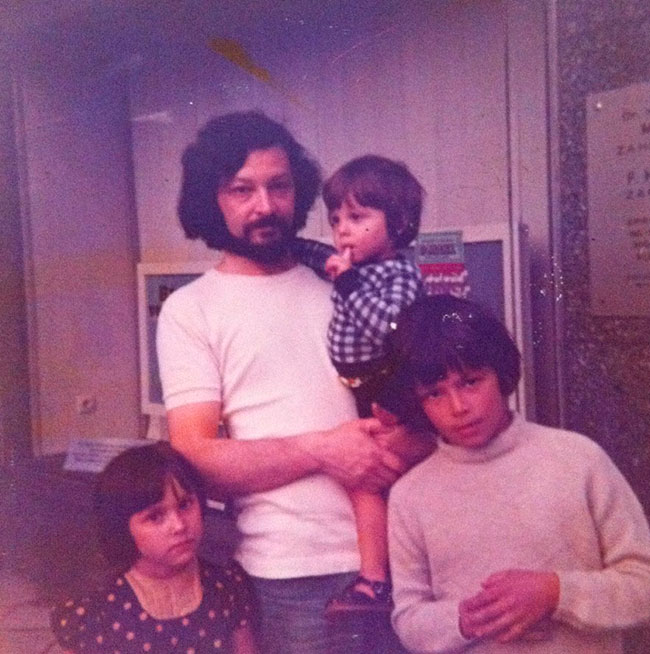
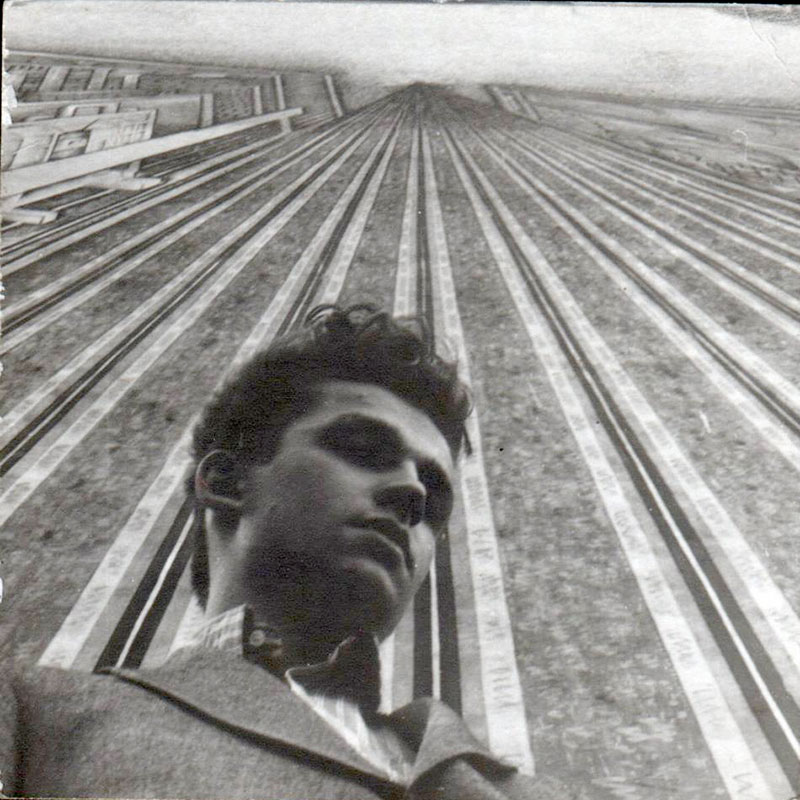
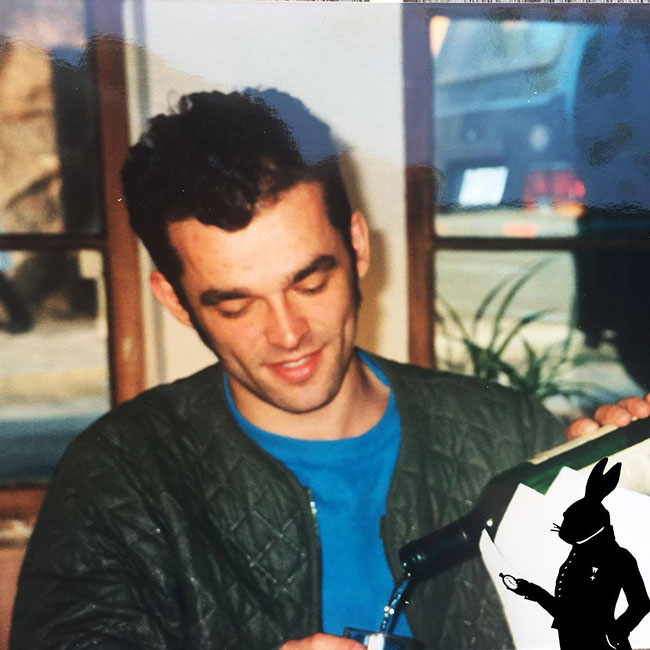
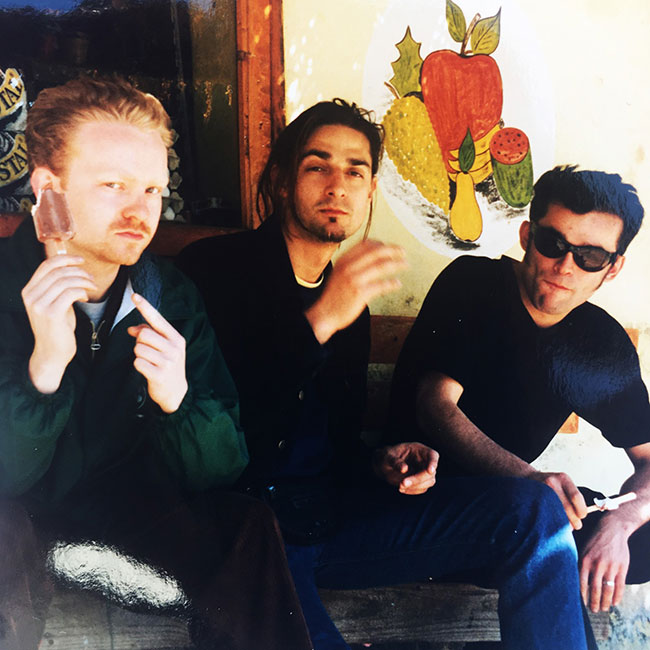
Martín Schopf (Dandy Jack) was born in Santiago in 1966, in an intellectual environment shaped by literature and critical thought. Following the military coup, his family was forced into exile, settling in Frankfurt in 1975. It is within this context —far from his origin, yet at the center of a transforming Europe— that his artistic sensibility and connection to electronic music are formed.
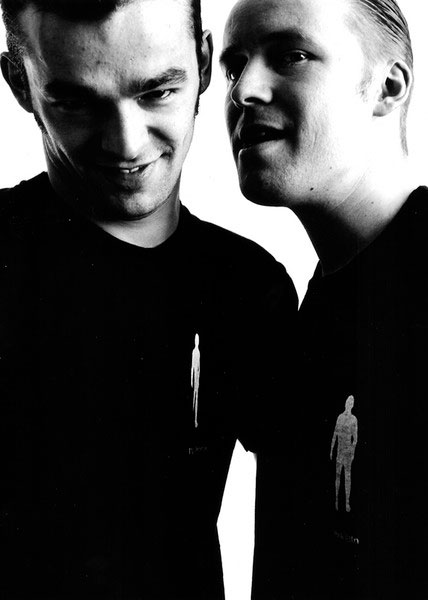
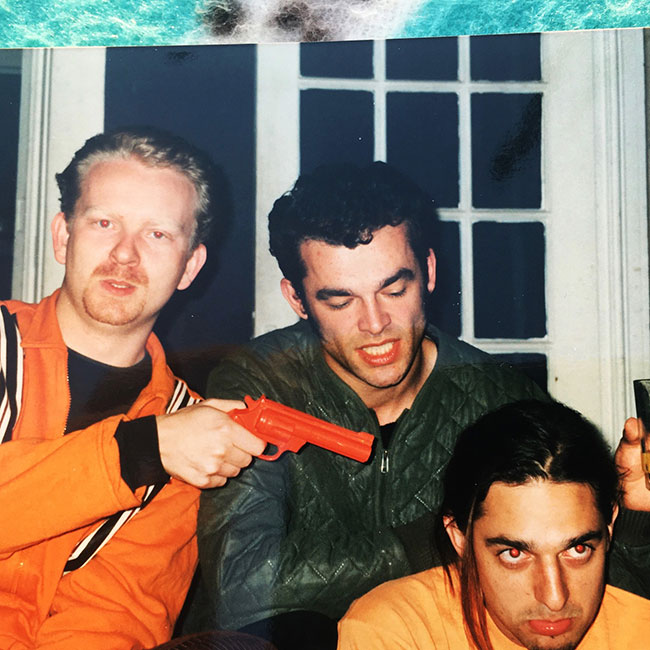
During the 1980s, Frankfurt consolidated itself as a key hub of electronic avant-garde. Within this ecosystem, Schopf does not simply participate — he builds. At the age of 19, he founded Subrosa (1985), followed by Zone Industriel (1987), where he collaborated with artists such as Peter Weiss, Tobias Freund, and Lars Müller, who were simultaneously developing the project Hypnobeat. This core later expanded with the inclusion of Darmstadt-based academic musician Nicolas Heyduck, along with the visual work of photographer Peter Voigt, forming a collective where sound and image began to operate as an integrated whole.
This process culminated in the formation of Sieg Über Die Sonne, alongside Tobias Freund — a project that transcended music to become an interdisciplinary platform. “It was a group that, along with music, also worked with performance, theater, projections, and imagery,” recalls Martín Schopf. “We were searching for the aesthetics of the Dadaists and the Futurists. These were performances with manifestos, narratives, and texts. At the beginning, we saw ourselves as a small movement, imitating the avant-garde movements of the early 20th century: there were dancers, people working with visuals, graphics, and more experimental electronic music.”
In this context, electronic music ceased to be just sound and became an expanded language where art, body, and ideology converge.
The return to Chile in the mid-1990s was not symbolic — it was operational.
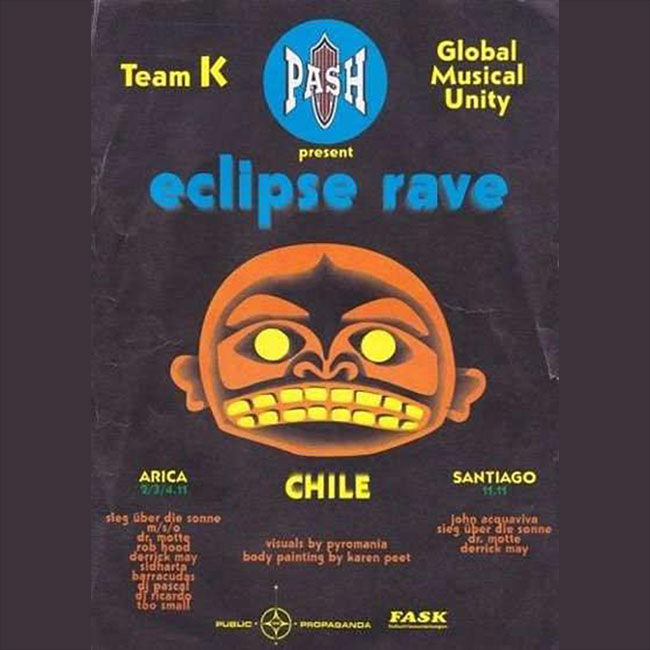
One of the earliest and most symbolic moments took place in northern Chile. In 1994, in Arica, a rave was held that is now considered foundational to the local electronic scene, organized by pioneer Miguel Bustos. In a context where infrastructure and audience were virtually nonexistent, artists such as Dandy Jack, Ricardo Villalobos, and international figures like Derrick May participated in a gathering that also included projects like Sieg Über Die Sonne, expanding the boundaries between performance, art, and sound. More than a massive event, it was a starting point: raw sound, without industry or local references, where the desert landscape, extreme geography, and creative freedom defined a unique experience. This rave not only anticipated what was to come, but established a way of doing things — independent, transnational, and deeply connected to the territory.
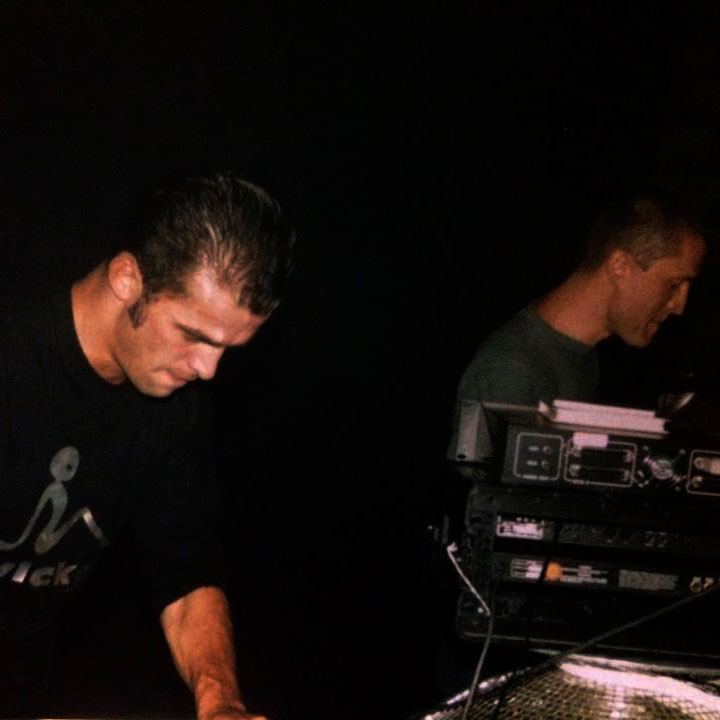
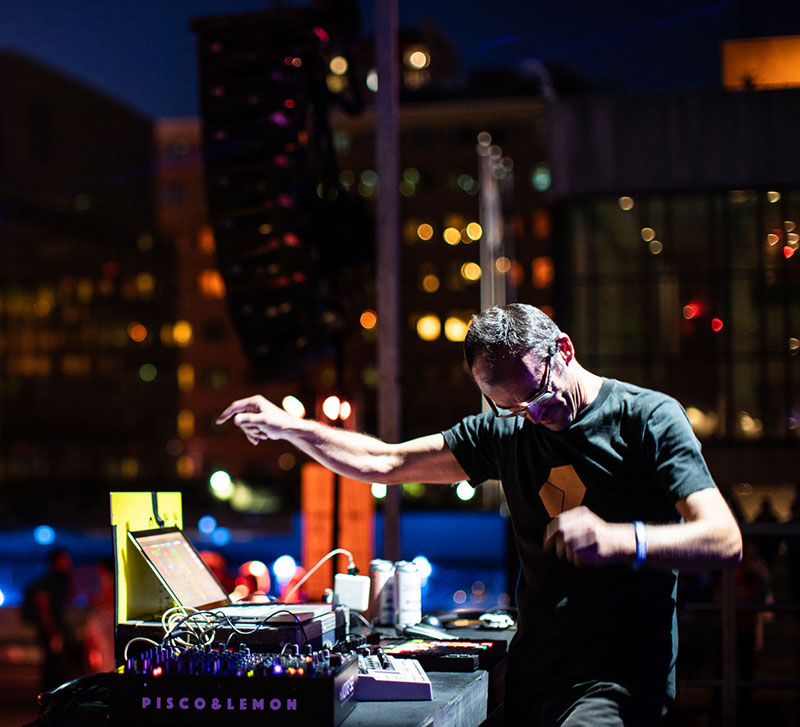
In 1996, Dandy Jack performed in Chile for the first time alongside Atom Heart, activating one of the earliest milestones of the local electronic scene. That same year, together with DJ Adrián, he founded the production company Microman, through which the “Technoculture Encounters” were organized — events that introduced a new way of understanding music in Chile: interdisciplinary, experimental, and globally connected.
These encounters brought together international and local artists, generating a space of exchange that directly contributed to the formation of the contemporary Chilean electronic scene.
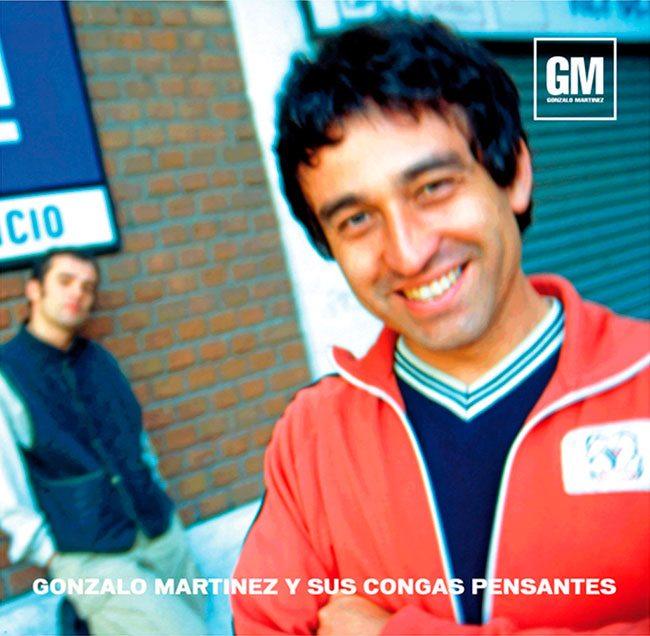
At the same time, a decisive line of exploration emerged: the fusion between electronic music and Latin American roots. The project Gonzalo Martínez (1996), together with Jorge González, marked a turning point by introducing a hybridization between cumbia and electronic music that would impact both Europe and Latin America.
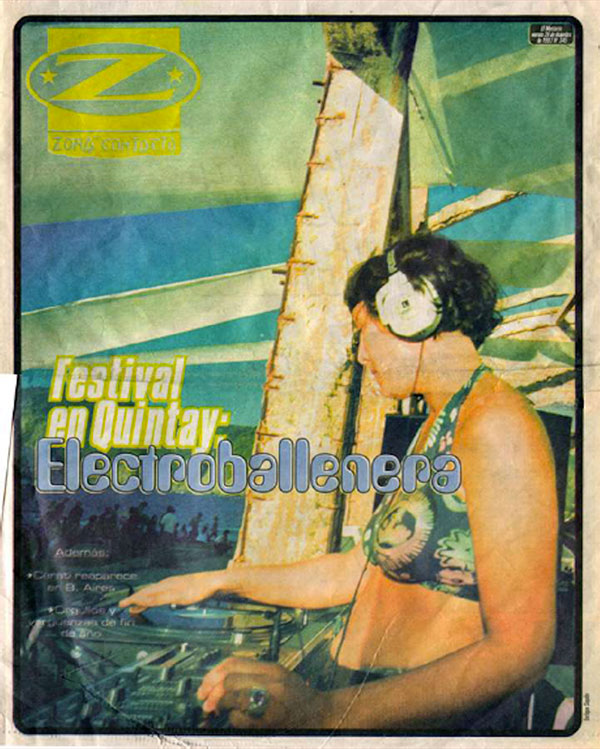
Within this same momentum, experiences arose that would shape a foundational imaginary. In 1997, the party at the Ballenera in Quintay became a key milestone: an abandoned industrial space transformed into a cultural platform, where electronic music, ephemeral architecture, and artistic intervention converged into a total experience. With structures designed by Paul Taylor, the site ceased to be a ruin and became a stage. It was not just a party — it was the materialization of a new way of inhabiting sound. To this day, many still consider it the best party ever held in the Chilean electronic scene.
There was no industry.
It was built.
There was no market.
It was activated.
There was no local language.
It was created.
Ruta5Label emerges from this trajectory: because of decades of exploration, circulation, and cultural exchange.
Its name is no coincidence. Ruta 5 —Chile’s backbone highway— operates as a metaphor for a larger journey: the transit between continents, between the analog and the digital, between memory and innovation.
This label does not respond to a trend.
It responds to history.
A history where exile becomes connection,
distance becomes language,
and sound becomes territory.
Ruta5Label does not document a scene.
It is part of its origin.